
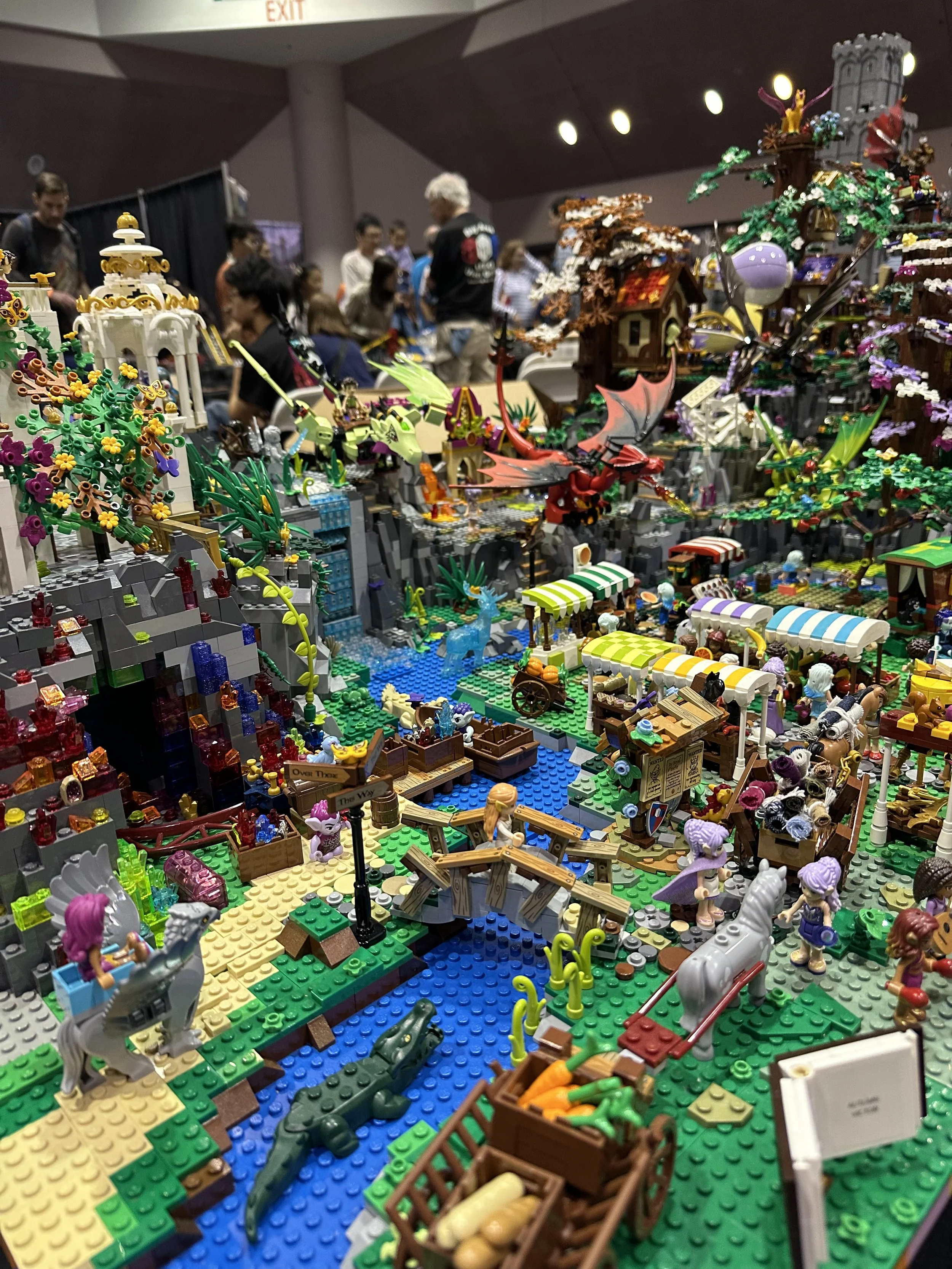
Everything starts with a simple plastic brick. Snap one piece onto another, and suddenly, you can build almost anything you imagine. That simple idea has helped LEGO grow from a toy company into one of the world's most recognizable brands.
But what keeps LEGO thriving isn't just the bricks themselves. It's the way the company combines creativity, popular themes, and a business model that gets its products into the hands of fans around the world.
More Than Just Building Bricks
LEGO has expanded far beyond its classic building sets. Fans can now find sets inspired by popular franchises like Star Wars, Marvel, DC, and Harry Potter, alongside original LEGO themes.
Licensed sets have played an important role in that growth. LEGO's Star Wars partnership, which began in 1999, helped bring together two passionate fan communities: people who love building and people who love a galaxy far, far away.
For fans, these sets offer a way to recreate favorite characters, vehicles, and scenes. For builders, they can also be a starting point for custom creations and entirely new ideas.
LEGO Isn't Just for Kids
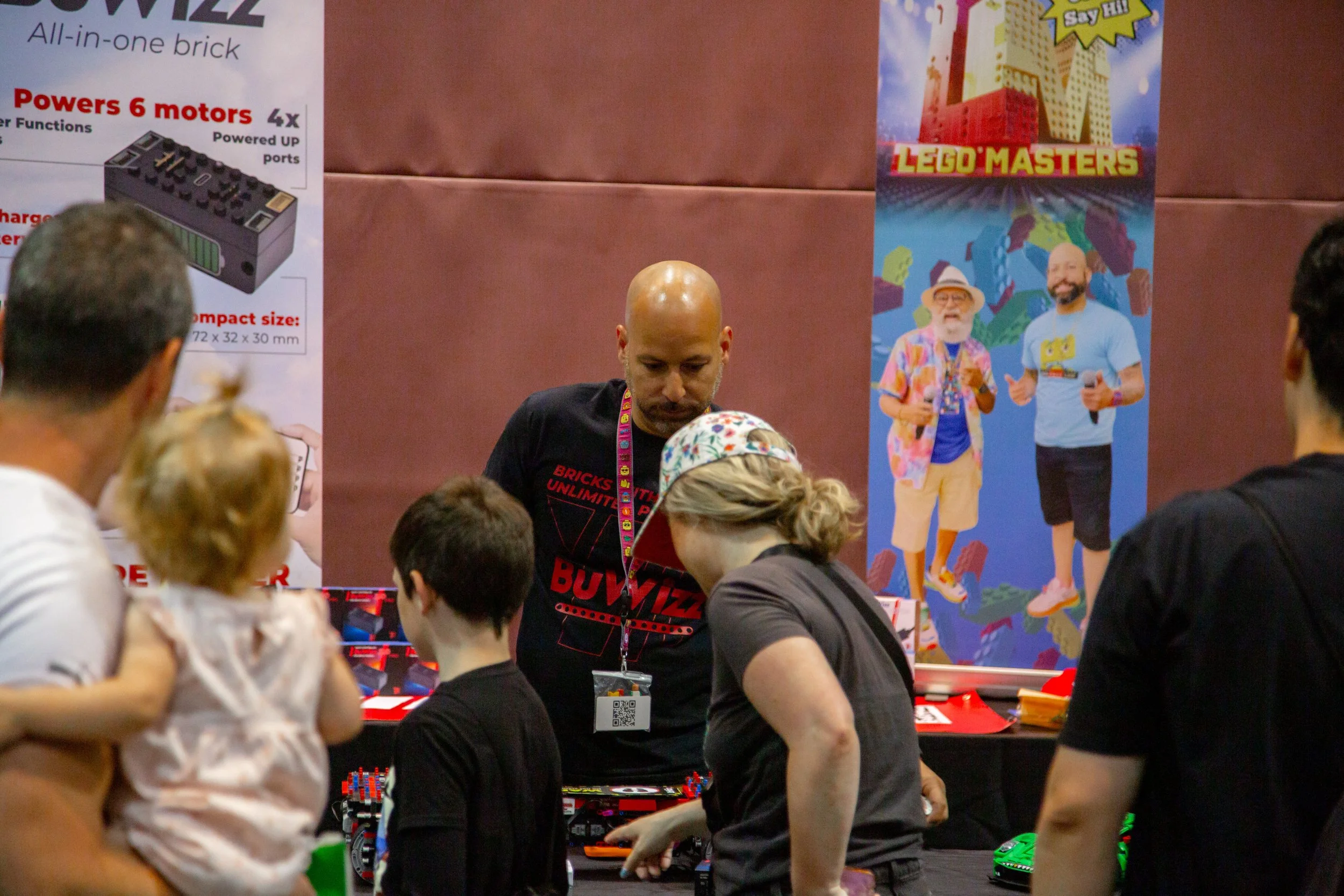
Another major part of LEGO's success is its adult fan community.
Many adults enjoy building detailed models, collecting sets, and displaying finished creations at home. From architectural landmarks to intricate vehicles, these builds offer a creative challenge that goes well beyond traditional play.
And you don't need an expensive set or thousands of pieces to be part of the hobby. A small custom build can be just as satisfying when it introduces a clever technique or brings an original idea to life.
That's one reason LEGO conventions are so special: they bring builders of different ages and experience levels together to share what they've created.
Behind the Scenes: Getting Bricks to Builders
There's another side to LEGO's success that fans don't always see: its supply chain.
Manufacturing products in different regions can help LEGO serve local markets, manage transportation costs, and respond to changes in demand. Producing closer to consumers can also reduce the distance products need to travel.
Of course, manufacturing and shipping on a global scale is complicated. Parts need to be produced, sets assembled, and products distributed efficiently. Getting that process right helps put LEGO sets on store shelves and into fans' collections.
The business behind the bricks may not be as visible as the finished models, but it plays an important role in keeping the hobby accessible to millions of people.
Why This Matters to the LEGO Community
LEGO's success comes from bringing several things together: a flexible building system, themes that connect with different audiences, and a community that keeps finding new ways to create.
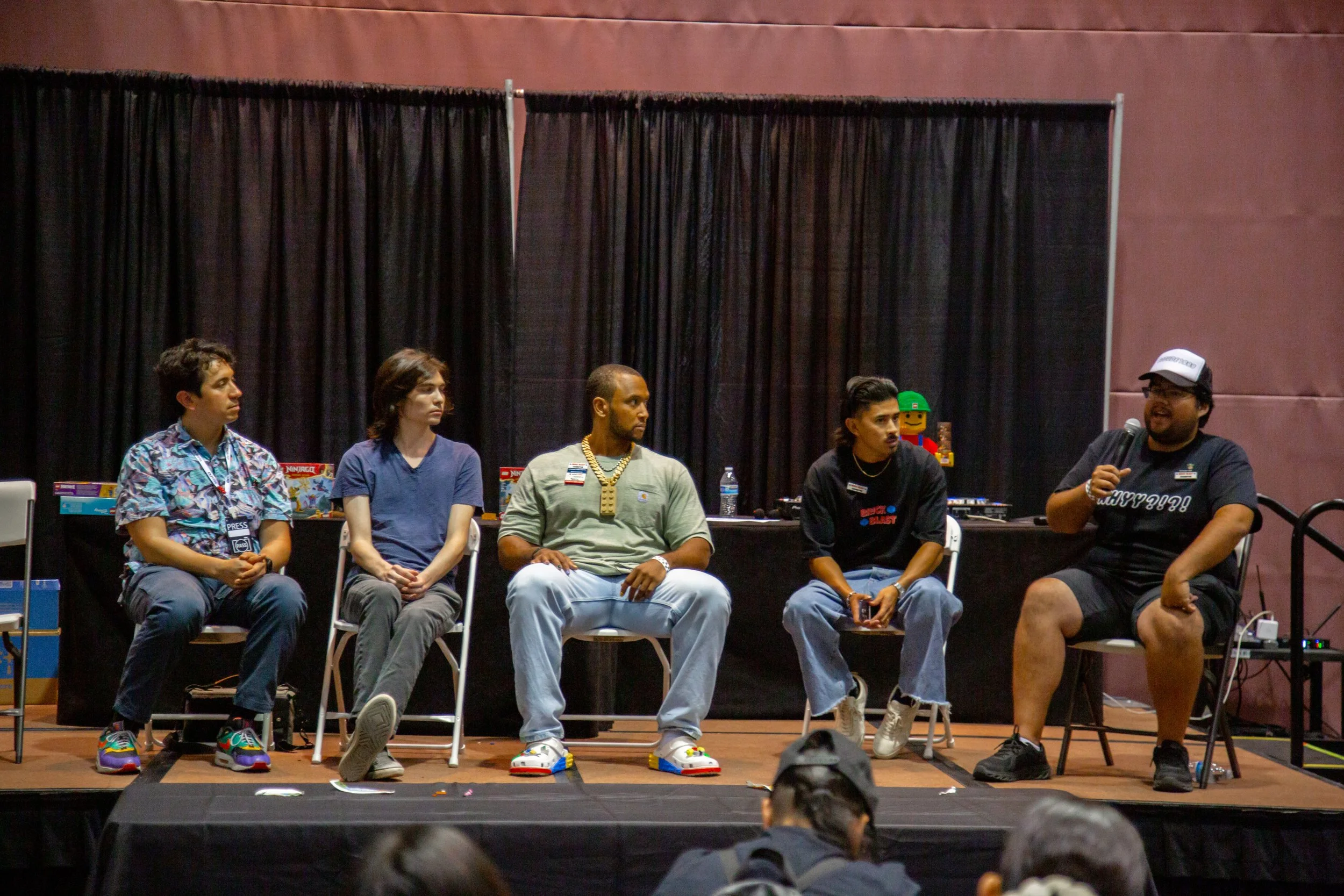
At Brick Blast, we get to see that creativity firsthand. Builders bring original MOCs, detailed displays, and imaginative interpretations of the worlds they love. Some creations are inspired by movies and games; others come entirely from the builder's own imagination.
And that's the beauty of LEGO. A set can introduce you to a new idea, but the bricks don't have to stop at the instructions.
You can modify a model, combine themes, experiment with building techniques, or create something no one has seen before.
The bricks may be the foundation of LEGO, but the builders are what make the possibilities endless.
That's the spirit we celebrate at Brick Blast: creativity, community, and the inspiration to build something of your own.
CREDIT: CNBC