
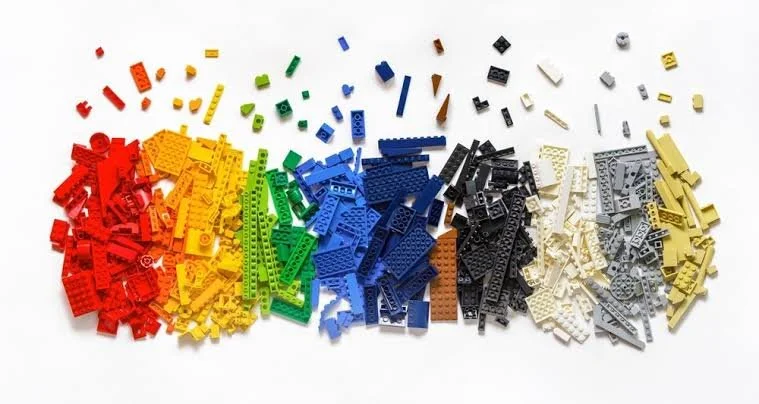
LEGO has come a long way from the simple plastic bricks many of us grew up with. Today, the brand reaches fans through movies, video games, theme parks, television shows, and collaborations with some of the world's biggest entertainment franchises.
But here's the interesting part: all that entertainment still connects back to the same thing we love most—building with LEGO bricks.
From Wooden Toys to a World of Possibilities
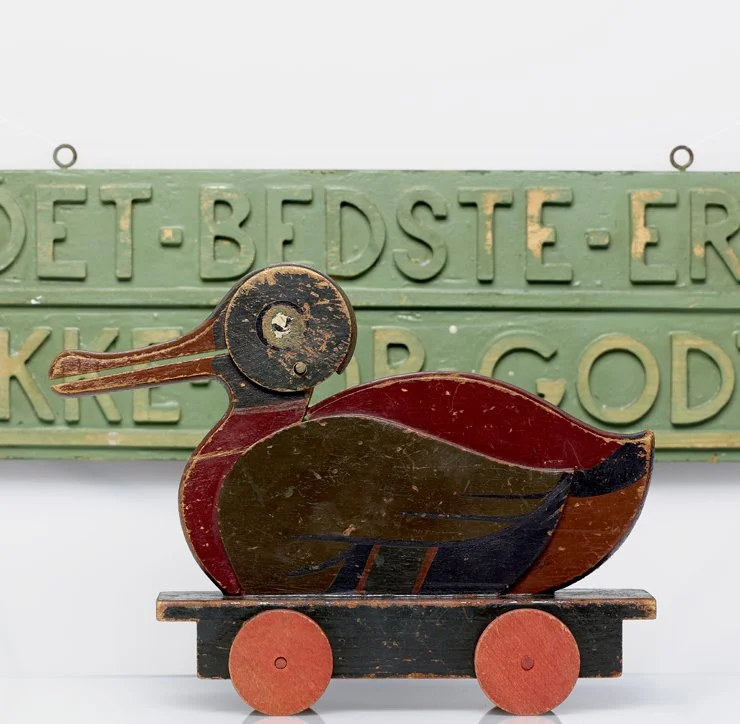
LEGO began in Denmark in 1932 as a company making wooden toys. It later introduced the plastic building bricks that became the foundation of its business.
Over time, the company expanded beyond traditional toy sets. One major turning point was the growth of LEGO-themed storytelling, which helped introduce its characters, worlds, and building experiences to wider audiences.
The BIONICLE franchise was an important example. Through toys, books, comics, and other media, it showed how LEGO could create a connected universe around its products.
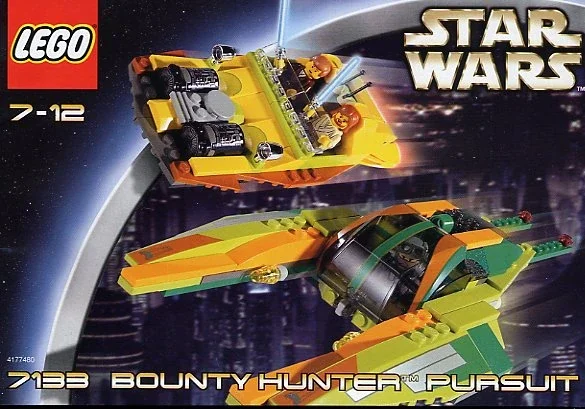
Then came licensed sets inspired by popular franchises, including Star Wars, giving fans another way to bring their favorite fictional worlds into their own creations.
When Movies and Games Bring the Bricks to Life
For many fans, LEGO is about more than following instructions. It's about imagining stories, building worlds, and creating adventures with the pieces they have.
Movies such as The LEGO Movie brought that idea to the big screen, combining humor, familiar characters, and a story about creativity. Video games and television shows have continued to let fans experience LEGO in different ways.
These projects also introduce the brand to people who might not have discovered LEGO through building sets alone. Someone who loves superheroes, for example, might start with a LEGO Marvel set and eventually explore other themes—or begin creating their own superhero MOCs.
That's the power of connecting building with storytelling: one interest can lead to another.
Why Licensed Sets Matter
Collaborations with franchises such as Star Wars, Marvel, and Jurassic World allow LEGO to reach audiences who already love those worlds.
For fans, licensed sets offer the chance to recreate memorable scenes, vehicles, and characters. For builders, they can also provide inspiration for custom creations, display layouts, and imaginative mashups.
Of course, LEGO's appeal goes far beyond licensed products. Original themes and the freedom to build whatever you imagine remain central to the hobby. The bricks are the tools; the stories are yours to create.
LEGO Is for Adults, Too
LEGO isn't just for kids anymore—and adult fans have helped make that clear.
From detailed architecture and intricate vehicles to enormous display models, many sets now appeal to builders who enjoy a more involved challenge. Shows such as LEGO Masters have also helped showcase just how creative people can get with the same basic building elements.
You don't need a massive collection to take part, either. A small MOC can be just as clever and meaningful as a giant cityscape. What matters is the idea behind it and the creativity you bring to the build.
Where Brick Blast Fits In
At Brick Blast, we celebrate the part of the LEGO world that brings all these interests together: the builders and the creations they share.
A convention display might feature a famous movie scene, an original fantasy world, a detailed city, or something completely unexpected. Each model offers a different perspective on what can be done with LEGO bricks.
And that's what makes seeing creations in person so special. You can discover a new theme, appreciate a technique you hadn't noticed before, or leave with an idea for your next MOC.
Movies, games, and licensed sets may introduce people to LEGO, but the creativity of the community is what keeps so many fans building.
Because no matter how much the LEGO brand expands, it all comes back to a simple idea: give people bricks, and let their imaginations take it from there.
CREDIT: BEYOND THE BRICK
